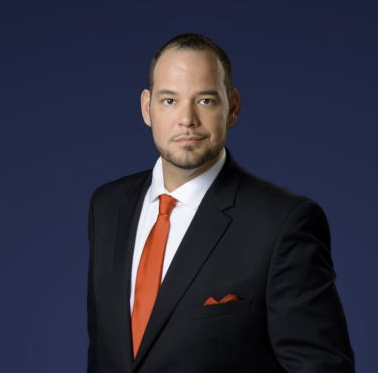
I'm Barrett Henry, Broker Associate with REMAX Collective, and I've spent 23+ years navigating Florida's commercial real estate landscape. Lafayette County represents exactly the kind of market most brokers overlook: not for everyone, but for the right investor or operator, it's where land value and rural development potential converge. Let me be direct: Lafayette County isn't a high-velocity commercial market. It's Florida's least populated county, anchored by agriculture and timber operations. But that's precisely why savvy investors and operators are paying attention.
The Lafayette County Market at a Glance
Lafayette County operates on a different rhythm than your typical Florida commercial corridor. You won't find the density, the tenant roster, or the cap rate compression you see in Tampa Bay, Miami, or Jacksonville. What you will find is raw acreage, agricultural operations, timber properties, and land positioned for long-term value appreciation.
Mayo serves as the county seat and the de facto commercial hub, though "hub" requires context here. This is a rural market where commercial activity clusters around essential services, agricultural support operations, and light industrial uses tied directly to the region's economic foundation.
Primary CRE Corridors and Activity Centers
Unlike urban markets defined by highway corridors and dense commercial nodes, Lafayette County's activity is geographically dispersed and asset-type specific.
- Mayo Commercial Area:The primary concentration point for retail, office, and service-related commercial activity. This is where you'll find local business services, agricultural supply operations, and county-focused commerce.
- Agricultural Land Base: The largest CRE asset class by far. Working farms, ranch operations, and row crop properties dominate the landscape. These aren't speculative holdings -- they're operating businesses with established tenant relationships and revenue streams. See our overview of land development and agricultural properties across Florida.
- Timber Property Corridor: Significant forestland throughout the county represents stable, long-term value. Timber operations have predictable harvest cycles and established management structures.
- Rural Highway Frontage: Properties along major routes serving the county see occasional retail or light commercial development, but activity is sporadic and opportunity-driven.
Active Property Types and Investment Opportunities
In Lafayette County, your CRE opportunities break down into three primary categories:
- Land -- Agricultural: Productive farmland with operating tenants or owned and operated by sellers. These assets generate income and serve as vehicles for farm operator expansion or consolidation.
- Land -- Timber/Forestry: Managed timber stands with long-term appreciation and income potential. These appeal to investors seeking stable, tax-efficient returns over multi-year holding periods. A 1031 exchange is frequently used to move into or out of these assets efficiently.
- Land -- Development/Speculation: Raw acreage positioned for future commercial or mixed-use development. Activity here is slower, but investor interest emerges when regional growth patterns shift or infrastructure improvements occur.
- Small Commercial Buildings: Limited inventory of retail, office, and agricultural service buildings in and around Mayo. These typically house local businesses and are owner-occupied or held by long-term local investors.
- Ag-Related Industrial: Feed mills, equipment facilities, processing operations, and storage tied directly to agricultural output. These are operational assets with established customer bases.
What Drives Demand in This Market?
Lafayette County's CRE demand is fundamentally different from suburban Florida markets. It's not about population growth or retail expansion. It's about these core drivers:
- Agricultural Consolidation: Larger farming operations acquire land to expand acreage, optimize operations, or vertically integrate. These are strategic, not speculative, transactions.
- Timber Investment Cycles: Institutional and private timber investors pursue property as part of diversified natural resource portfolios. Harvest schedules and market conditions dictate transaction timing.
- Local Business Expansion: Owner-operators in agriculture, equipment, and services occasionally need larger facilities or additional land. These are smaller-scale deals but steady.
- Regional Land Banking: Investors with longer time horizons acquire land anticipating future development or infrastructure improvements that could reshape property values.
- Conservation and Legacy Planning: Landowners use conservation easements, charitable transfers, and estate planning to optimize tax outcomes on multi-generational holdings.
Market Positioning and Why It Matters
Lafayette County is a Tier 2 referral market for my business, and I treat it that way -- with the same professionalism and expertise I bring to primary markets, but with clarity about its distinct characteristics.
If you're looking for rapid lease-up cycles or tight cap rate compression, look elsewhere. But if you're an operator seeking to expand your agricultural footprint, an investor evaluating rural land as a portfolio component, or a timber company assessing acquisition opportunities, this market deserves serious attention. Use our cap rate calculator and review what makes a good commercial investment before approaching any Lafayette County deal.
The advantage here is reduced competition and market friction. Fewer brokers specialize in Lafayette County CRE. That means opportunity for informed buyers and sellers who have the right representation.
My Services in Lafayette County
- Land Transactions: Buy-sell-exchange advisory for agricultural, timber, and development land. I handle due diligence, market positioning, and negotiation.
- Property Valuations: Market analysis and appraisal support for land and operating ag/timber properties tied to financing, refinance, or strategic planning.
- Tenant Placement: For the limited commercial space that turns over, I help identify qualified tenants and structure lease terms.
- Market Intelligence: Ongoing insight into local transaction activity, operator needs, and value trends -- essential when market data is sparse.
- Investment Consultation: Advisory for out-of-state or institutional investors evaluating rural Florida land as part of diversified portfolios.
- Referral Network: When specialized expertise is needed -- forestry consultants, ag economists, conservation specialists -- I facilitate connections.
Talk to a REMAX Commercial Broker
Call (813) 733-7907 or send a message.
Frequently Asked Questions
What types of commercial real estate are available in Lafayette County?
The primary commercial asset classes in Lafayette County are agricultural land (working farms and ranch operations), managed timber properties, rural highway commercial buildings in and around Mayo, and ag-related industrial facilities like feed mills, equipment storage, and processing operations. Small office and service-retail buildings exist in Mayo but inventory is very limited.
Who buys commercial real estate in Lafayette County?
Buyers typically include larger farming operations seeking acreage expansion, institutional and private timber investors building diversified natural resource portfolios, local business owners seeking affordable owner-user space, and out-of-state investors evaluating rural Florida land as a portfolio component. This isn't institutional urban capital -- it's operators and informed private investors.
What drives commercial real estate demand in Lafayette County?
Agricultural consolidation, timber investment cycles, local business expansion, regional land banking, and conservation and legacy planning are the core demand drivers. Lafayette County's CRE demand is fundamentally different from suburban Florida markets -- it's driven by operational needs and long-term land value, not population growth or retail expansion.
Is Lafayette County a good place to invest in commercial real estate?
For the right investor with a rural land or operational thesis, yes. The market rewards informed buyers who understand timber cycles, agricultural economics, and the county's distinct dynamics. Reduced competition and market friction relative to Florida's major metros create genuine opportunity. It is not the right fit for investors expecting lease-up velocity or cap rate compression typical of urban markets.
Does Barrett Henry serve Lafayette County?
Yes. Barrett Henry at REMAX Collective covers Lafayette County as a referral territory, providing land transaction advisory, property valuations, tenant placement, market intelligence, and investment consultation. With 23+ years of Florida CRE experience and a statewide network, he connects serious clients with real opportunities in this unique rural market.
Last updated: August 2026