Tampa Bay's rental market attracted substantial investor attention from 2018 through 2023. Population growth, rising rents, and relatively low entry costs made Hillsborough, Pinellas, and Pasco County single-family rentals compelling yield plays. The 2026 reality is more complicated. Insurance costs have surged, investment property tax assessments have increased without the caps that protect owner-occupied properties, and deferred maintenance on aging inventory is reaching a point where significant capital reinvestment is required. For a growing number of Tampa Bay rental property owners, the sell-vs-hold calculation has shifted significantly.
What Tampa Bay Investment Properties Actually Cost in 2026
The yield compression story starts with carrying costs. On a $380,000 Hillsborough County investment property generating $2,100 per month in gross rent ($25,200 per year):
- Landlord insurance:$3,800 to $7,200 per year. Florida landlord policies run 10 to 20% above standard homeowner coverage, and the state's insurance environment has pushed premiums sharply higher since 2022.
- Property taxes: $3,400 to $4,200 per year. No homestead exemption. No Save Our Homes cap. Investment property assessed values can increase without restriction at each annual assessment cycle.
- Maintenance and vacancy: $5,300 to $7,000 per year. Industry standard is 1% of property value in annual maintenance ($3,800), plus 6 to 8 weeks of vacancy per tenant turnover.
- Property management (if applicable): $2,000 to $3,500 per year at 8 to 12% of gross monthly rent plus leasing fees.
Total annual carrying cost: $14,500 to $21,900. Net operating income before mortgage on a property grossing $25,200 per year: approximately $3,300 to $10,700. After debt service on a remaining mortgage, many Tampa Bay investment properties at this price point are generating neutral to negative cash flow in 2026. Use our investment property ROI calculator to run your specific numbers.
The Capital Expenditure Inflection Point
Tampa Bay's investor-owned single-family inventory skews toward homes built in the 1980s and 1990s, now 25 to 45 years old. This age range is hitting a capital expenditure inflection point simultaneously across multiple systems:
- Roof replacement: $12,000 to $22,000 in Tampa Bay
- HVAC system replacement: $5,000 to $12,000
- Water heater: $1,200 to $2,500
- Electrical panel upgrade (if still 100A or older wiring): $3,500 to $8,000
A single roof replacement consumes 2 to 5 years of net operating income on a neutral cash flow property. Investors facing this math who also hold significant unrealized appreciation are often better served exiting and redeploying into assets with better fundamentals. For investors exploring termite or structural damage scenarios, our guide on termite damage in Florida investment property covers the repair-vs-sell math in detail.
Exit Execution: Options for Tampa Bay Rental Property Investors
1031 Exchange: For investors with significant embedded gain, a 1031 exchange defers capital gains tax while allowing redeployment into higher-yielding replacement property. Requires identification of replacement property within 45 days and closing within 180 days.
Conventional sale with tenant in place: Tampa Bay rental properties with documented lease history and positive rental income sell to other investors without requiring tenant eviction. The lease transfers with the property. See our guide on selling tenant-occupied investment property for the full comparison between listing and cash sale on occupied properties.
Direct sale to cash buyer: For properties with deferred maintenance or condition issues that would complicate a conventional listing, a direct cash sale closes in 7 to 21 days without lender-required repairs or property management of showings during tenant occupancy.
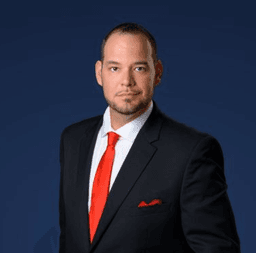
Barrett Henry at HenCRE evaluates Tampa Bay investment properties against all three exit paths, providing an honest side-by-side comparison before any commitment is made. With 23+ years of real estate experience and offices in Tampa, Largo, and Brandon, Barrett brings the market knowledge to help you choose the right path at the right time. Explore our investment sales services.
Talk to a Commercial Real Estate Broker
Call (813) 733-7907 or send a message.
Last updated: September 2026